
Hormones and Bone Health: Osteoporosis and More
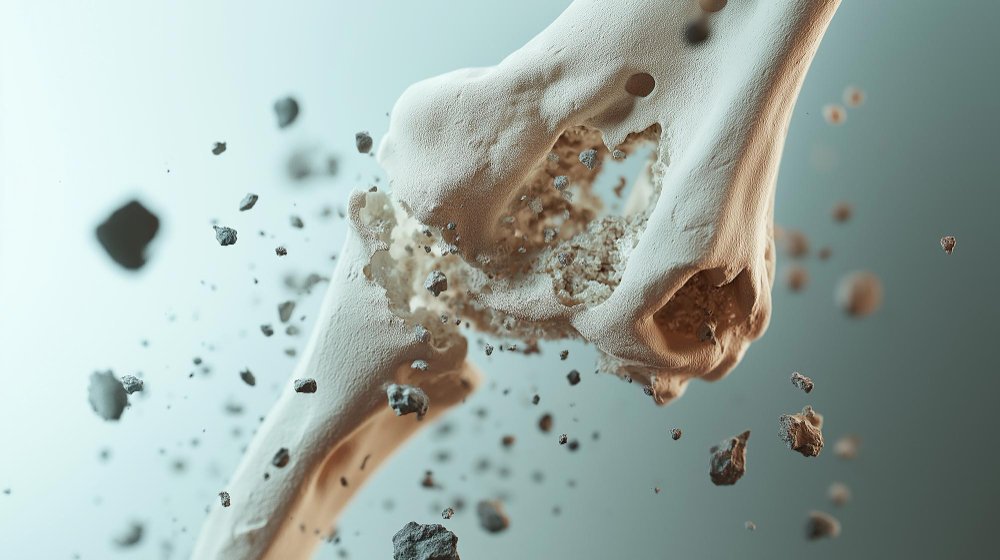
Hormones and Bone Health: Osteoporosis and More
When you think of strong bones, vitamin D and calcium are likely to come to mind first. But here's a surprise fact that your hormones are just as crucial as your nutrition in terms of bone strength. Hormones serve as chemical messengers, informing your body when to create new bone and when to break it down. When this balance is interrupted, bones can deteriorate, leading to osteoporosis and other bone diseases.
Let's see how hormones help keep your bones strong and what happens when things go wrong.
Why Hormones are important for bones
Bone is not a clump of dead or static tissue, it’s constantly being broken down and rebuilt under the influence of body hormones and need. This process is called bone remodeling. This mechanism is tightly controlled by hormones. Some of the most vital hormones include:
Estrogen: Slow down the process of bone breakage and thus protects the bone.
Testosterone: Helps in maintenance of bone density in both men and women.
Parathyroid hormone (PTH): Regulates calcium levels and bone turnover.
Cortisol (stress hormone): In high amounts,as the name suggests, it can weaken bones over time.
Growth hormone and IGF-1: Stimulate bone growth during young age and maintenance of bony structures in adulthood.
Without the proper hormonal balance, bone remodeling shifts in the wrong direction, resulting in more bone loss than bone formation.
Osteoporosis: When Hormones Fail Your Bones
Osteoporosis is a condition in which bones become thin, weak, and more prone to fractures. Hormones play an important part in its growth.
Menopause and Estrogen Reduction: Women lose estrogen quickly after menopause, resulting in increased bone loss. This is why postmenopausal women have the highest risk of developing bone conditions like osteoporosis.
Low testosterone levels in men: The age-related drop in testosterone adds to bone weakening, but more gradually than in women.
Excessive Cortisol : Chronic stress and long-term steroid use can damage bone formation.
Osteoporosis fractures are not only painful; they can also have long-term consequences, limiting mobility and independence.
Benefits of Healthy Hormones for Bone Strength
Estrogen helps to maintain bone density by decreasing bone disintegration and locking calcium inside the skeleton, lowering the risk of fractures. Additionally, testosterone promotes bone growth by promoting the production of new bone and assisting in maintaining strength as we age. Since controlling stress and preventing long-term steroid use prevents bone mass from deteriorating, balanced cortisol levels are equally crucial. Lastly, by promoting robust bone formation in childhood and sustaining it throughout adulthood, growth hormones lay the groundwork for long-term bone health.
Risks of Hormonal Imbalance
Hormonal deficiency can lead to severe body changes in both men and women. Some of the major issues are:
Estrogen deficiency in menopause leads to rapid bone loss.
Low testosterone in growing men causes a gradual but significant bone density decline.
High cortisol from chronic stress or steroids disrupts bone strength.
Parathyroid imbalance can pull the major supplement, calcium, out of bones, making them weaker.
Can Osteoporosis Be Prevented by Hormones?
Yes, this is where hormone replacement therapy (HRT) and other treatments are useful. It has been demonstrated that estrogen therapy lowers the risk of fracture and stops bone loss in postmenopausal women. Likewise, men with clinically low testosterone levels may benefit from testosterone therapy.
Decisions should be carefully discussed with a physician because these therapies are not suitable for everyone and may have negative side effects.
Practical Tips for Hormone and Bone Health
Maintain a balanced diet enriched with calcium and vitamin D.
Get regular sunlight exposure for natural vitamin D stimulation.
Stay active with weight-bearing exercises (walking, jogging, strength training).
Manage stress and mental health issues to keep cortisol levels in limit.
Discuss hormonal testing with your doctor if you have risk factors for osteoporosis.
Avoid smoking and limit alcohol to balance hormones and bone density.
Final Remarks
Bone health and hormones are closely related. Your skeleton is protected by hormones like estrogen, testosterone, and others; when these levels fall or become unbalanced, bones suffer. Osteoporosis is more than simply weak bones; it's a result of hormones and the body's own healing process not working together properly.
The good news? You may preserve your bones for the rest of your life with the correct lifestyle, medical assistance, and early prevention. Your everyday routine maintains the foundation, while hormones set the stage.
Strong bones, strong you.