
Understanding Polycystic Ovary Syndrome and Hormones
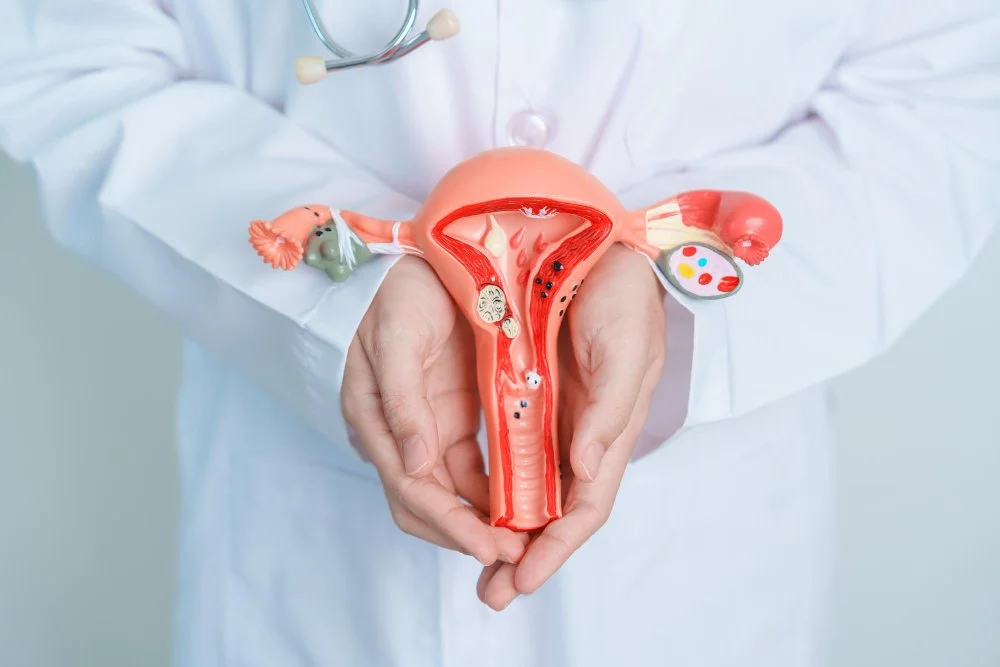
How Hormonal Imbalances Shape PCOS Symptoms and What You Can Do About It
Understanding Polycystic Ovary Syndrome and Hormones
Are you stressing over thoughts like "What's causing my irregular period?" "Why, despite eating a healthy diet, am I gaining weight?" "What's causing my acne to persist?"
You're not the only one who has ever asked yourself these questions. A disorder known as Polycystic Ovary Syndrome (PCOS) is often the cause of the identical issues that millions of women worldwide face.
For many women, these are more than simply minor worries; they could be symptoms of Polycystic Ovary Syndrome (PCOS). Among the most prevalent hormonal conditions affecting women of reproductive age is PCOS, but it frequently passes years without a diagnosis. Understanding the involvement of hormones in this illness is the first step towards appropriate management.
What is Polycystic Ovary Syndrome?
Polycystic Ovary Syndrome (PCOS) is a complicated hormonal imbalance that affects the ovaries, metabolism, and overall female health. The name "polycystic" refers to many microscopic cysts that can form on the ovaries, although the disorder is more than just cysts. PCOS is really about hormonal disruption, insulin, androgens (male hormones), and reproductive hormones such as estrogen and progesterone.
The Role of Hormones in PCOS
Hormones are microchemical messengers that control the functions of the human body. Certain hormones in PCOS don't work properly, which causes the typical symptoms that women encounter during PCOS.
1. Androgens (male hormones): PCOS-afflicted women frequently have increased androgen levels, which can result in stress, acne, and scalp hair thinning.
2. Insulin: One of the main symptoms of PCOS is insulin resistance. Ineffective insulin utilization causes the body to produce more androgen and boost blood sugar levels.
3. Estrogen and Progesterone: Normal menstrual cycles are disrupted by an imbalance between the hormones estrogen and progesterone, which can result in irregular periods or even skipped cycles.
Common Symptoms of PCOS
The symptoms vary in females as per their severity of PCOS, but often include:
Irregular periods for months or after the delivery of the baby
Difficulty losing weight and stubborn fat around the abdomen
Excessive hair growth on the face or body
Oily skin and acne
Thinning of scalp hair
Difficulty in conceiving
These signs might create emotional distress, affecting confidence and mental health.
Why Early Understanding of PCOS is Important
PCOS is more than simply a reproductive issue; it has been related to long-term health risks like high blood pressure, type 2 diabetes, sleep apnoea, and heart disease. Understanding the hormonal causes of PCOS allows women to take proactive efforts to control it, such as lifestyle adjustments, medical care, and emotional support.
Managing PCOS and balancing hormones
Make healthy lifestyle choices. Insulin resistance can be considerably reduced by eating a well-balanced diet, exercising regularly, and managing weight.
Medical treatment: Doctors may recommend hormonal contraception, anti-androgen drugs, or fertility therapies based on individual needs. - Self-care practices: Tension management, enough sleep, and moral support are essential for general well-being.
Effective Home Remedies for PCOS
Cinnamon tea improves insulin sensitivity and regulates menstruation.
Spearmint tea lowers testosterone levels, which helps to minimize acne and unwanted hair.
Fenugreek seeds help regulate blood sugar levels and metabolism.
Fibre and protein-rich diet: Maintains insulin levels and improves hormone balance.
Regular exercise reduces insulin resistance and promotes a healthy weight.
Apple cider vinegar helps digestion and may increase insulin sensitivity.
Stress management reduces cortisol levels and promotes reproductive health.
Conclusion
PCOS is not the end of the road; it is a disorder that can be handled with proper understanding and treatment. Understanding how hormones drive PCOS allows women to make more educated health decisions, lower the risk of complications, and regain control of their lives.
FAQs About PCOS and Hormones
1. Can PCOS be cured permanently?
PCOS cannot be totally cured. Symptoms can, however, be adequately managed with appropriate lifestyle changes, medical treatment, and hormonal management. Many women live healthy lives by addressing insulin resistance, balancing hormones, and sticking to treatment plans.
2. Which hormones are most commonly affected in PCOS?
The primary hormones implicated with PCOS include androgens (male hormones), insulin, estrogen, and progesterone. High androgen levels and insulin resistance are the primary causes of PCOS symptoms such as irregular periods, acne, and trouble losing weight.