
Hormonal Changes During Menstruation: Why You Feel Like Three Different People in One Month
Some days you wake up ready to run the world, other days you want to disappear under a blanket and watch sad TikToks until your tears run out.
No, you’re not being “dramatic.” That’s literally your hormones doing backflips.
If nobody ever sat you down and explained what’s actually happening to your body during your cycle, let’s fix that right now.
The Monthly Hormone Drama
You have two main hormones controlling your monthly cycle: estrogen and progesterone. These two spend the whole month taking turns being in charge.
● Estrogen goes up first. When it’s high, you usually feel good. Your energy is better. Your skin behaves. And your brain feels less foggy.
● Then comes progesterone. It slows things down, makes you a little calmer, a little hungrier. And sometimes a little bloated.
When these two rise and fall, they don’t just affect your period; they affect your mood, sleep, energy, appetite, and even how social you feel.
Breaking It Down: Week by Week
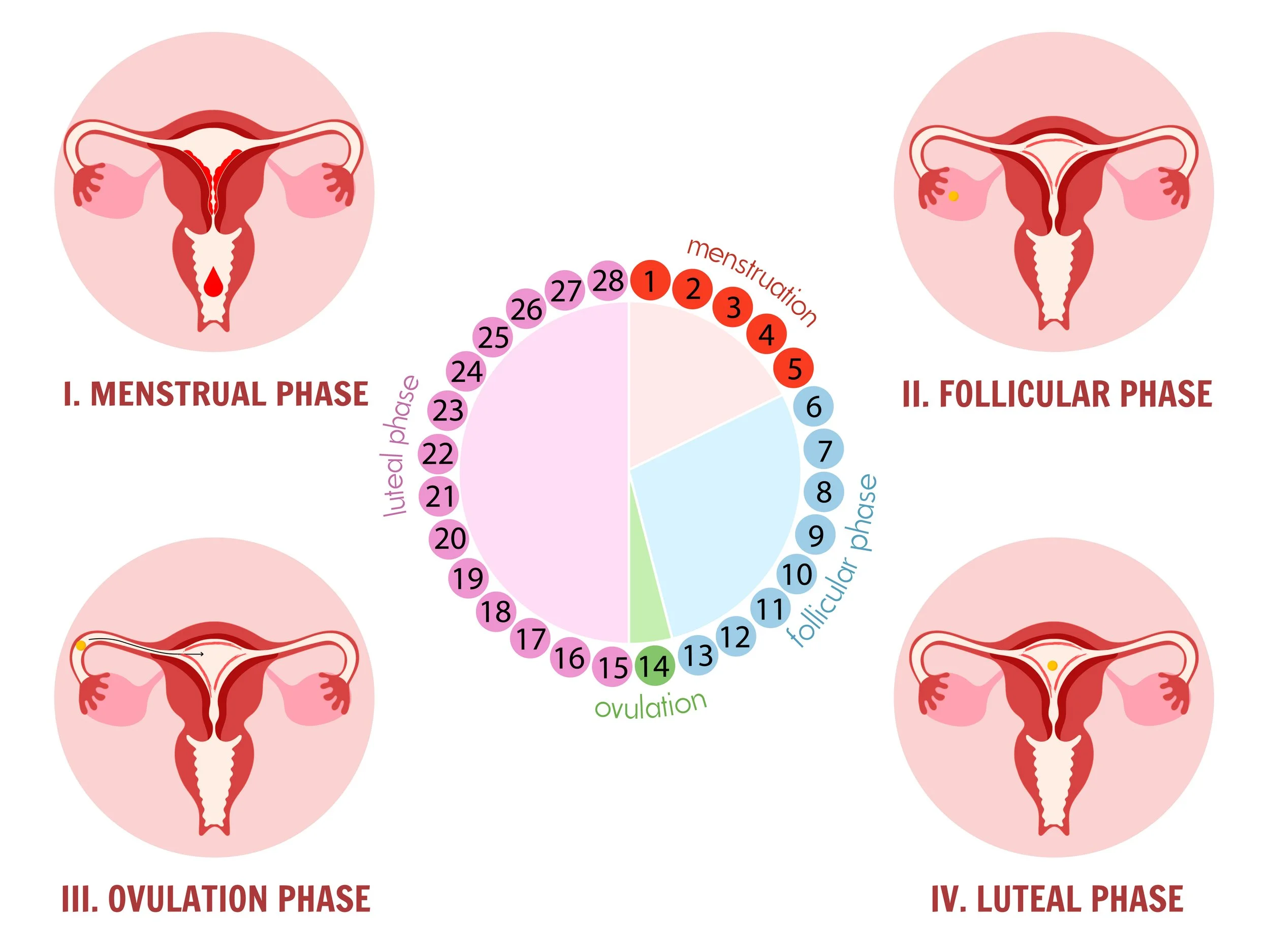
Week 1: Period Week
Day 1 is officially The First Day of your period. Both estrogen and progesterone are at rock bottom, which is why you feel tired, withdrawn, or just a bit “done with everything.”
Your body is literally shedding the uterine lining it spent the last month building, so… yeah, you’re allowed to be tired.
So, take it slow if you can. And honestly, if you cancel plans this week, nobody should judge you.
Week 2: Energy Week
As your period ends, estrogen starts rising again. And suddenly life doesn’t feel so heavy. You may feel sharper, more motivated, maybe even social again.
This is a great week for big tasks, workouts, meeting people, or doing the things you were avoiding last week when life felt like a Netflix drama.
Week 3: Slow Down Week
Now progesterone rises, and it’s like your body is saying, “Cool, we’ve had our fun, now let’s chill.”
You may feel hungrier, sleepier, a bit more sluggish. Your digestion can slow, which explains bloating.
This is the week to get serious about rest. Earlier nights, gentle exercise, and meals with enough protein help a lot.
Week 4: PMS Week (a.k.a. Send Help)
Estrogen and progesterone both start dropping, and this is where the emotional chaos can hit.
Mood swings, irritation, crying over ads, and eating the entire fridge. All fair game.
And no, you’re not overreacting. When estrogen drops, so does serotonin (your happy brain chemical). It’s literally brain chemistry, not a personality flaw.
Survival tips: Go easier on yourself. Light exercise can help (yes, it really does), and eat actual meals instead of surviving on snacks.
And please, please stay off major life decisions until your brain chemistry is back on your side.
Practical, Non-boring Tips That Actually Help
1) Track one cycle before changing anything
Keep a two-month symptom log: mood, sleep, cravings, cramps, and what helps. That gives you real data (and a non-judgemental record to show a doctor if you need to). NHS recommends symptom tracking as part of the assessment.
2) Move, but not like a punishment
Regular moderate exercise eases PMS symptoms and cramps. Even 20–30 minutes of walking or gentle cardio 3–4 times weekly helps. On bad days, prioritize gentle movement: yoga, stretching, or the walk-you-don’t-have-to-justify.
3) Use heat early and consistently for cramps
A heating pack on the lower belly for 15–20 minutes at the first twinge lowers pain. Pair it with a pain reliever.
4) Food that helps (and what to avoid)
● Eat regular, balanced meals with protein + complex carbs (keeps cravings and blood sugar steadier).
● Cut down on salty and ultra-processed food in the 2–3 days before your period to reduce bloating.
● Caffeine can worsen anxiety and breast tenderness for some people. Test whether lowering it helps you.
5) Consider targeted supplements
● Magnesium: trials have shown benefits for mood and fluid retention; many people use it in the 200–400 mg range, but talk to a clinician before starting.
● Omega-3s (fish oil): evidence shows they can reduce menstrual-related pain and may ease mood symptoms; doses in studies vary, so choose a trusted product and check with a provider.
● Vitamin B6 / calcium: sometimes helpful; evidence is mixed, and a clinician can advise on safe use.
6) Sleep And Stress: Your Two Underrated Allies
Poor sleep makes PMS symptoms worse. Prioritize consistent bedtimes and small stress-reduction practices.
7) If pain or mood swings are wrecking your life, get help
Severe pain, heavy bleeding, or mood symptoms that stop you from work or relationships can be treated medically (hormonal contraception, SSRIs for PMDD, or referral to a specialist). Don’t suffer in silence.
Final Rant (Because Someone Had To Say It)
Your monthly mood swings, cravings, bloating and tearful indie playlist sessions? They’re a built-in feature of your body, not an ongoing personality test. Learn the pattern, use a few targeted tools (heat, movement, tracking, and maybe supplements), and be gentler with yourself. That’s the short path from “Why am I like this?” to “Okay,I see you, cycle. Let’s work together.”